CLINQ

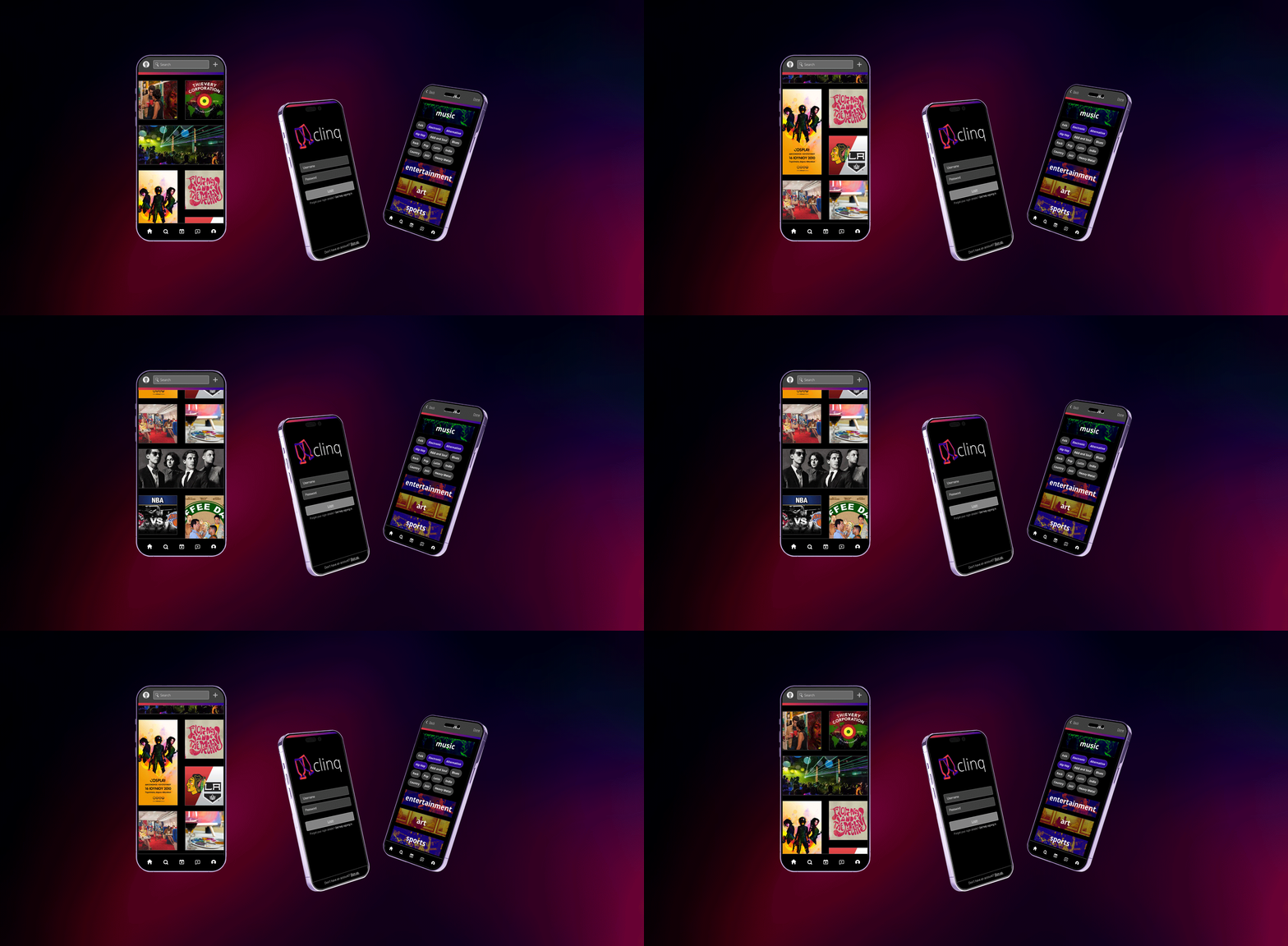
Clinq is a social discovery and meetup app that blends event tracking with real-life connections. Inspired by platforms such as Bandsintown and Meetup, it allows users to browse upcoming concerts, festivals, and local events, while also seeing and connecting with others in the community planning to attend.

Role
Logo Design, UX/UI Design, User Research

Tools

Figma, Adobe XD, Illustrator, Maze, Miro

Year
2022
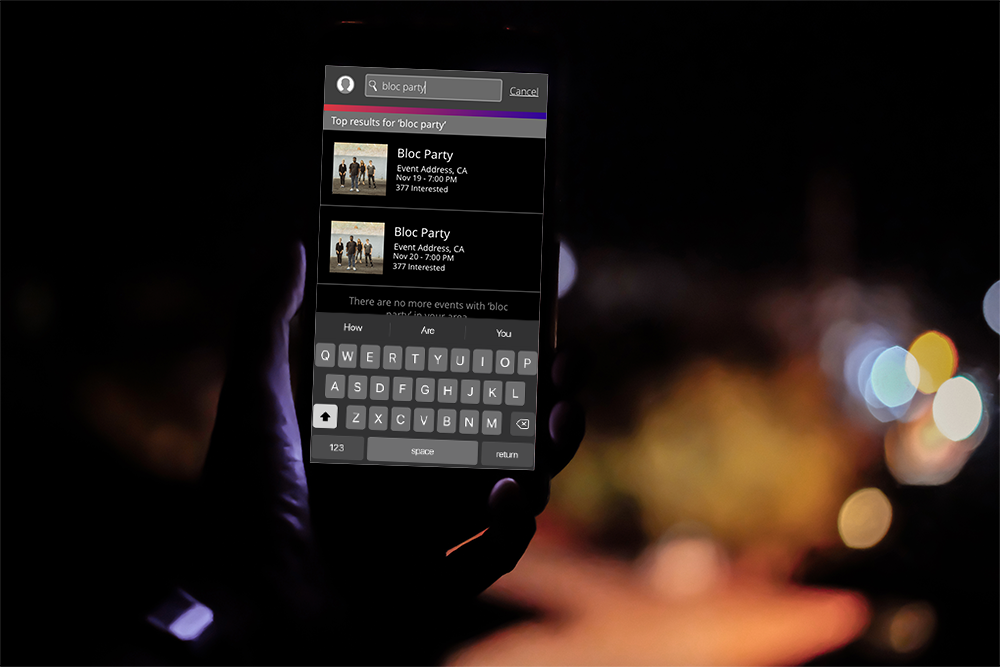
clinq event search mockup

Context

This project came about when a colleague and I had an idea to create a modern, user-friendly social app that would connect people through events and experiences. While the platform would primarily focus on concerts, shows, and festivals, it would also feature a wide range of local gatherings such as comedy nights, sports games, and other community events. The app would serve individuals seeking like-minded social or romantic connections, making going to events more engaging and meaningful.

Problem

How can we connect event-goers with others who share their interests to create more meaningful connections around live experiences?

Research Plan

I began my research by conducting an interview with concert-goers, festival attendees, and other event participants in order to understand their motives, habits, and frustrations with current platforms. Simultaneously, I ran a competitive analysis of dating apps, social discovery tools, and event-tracking services that would highlight industry best practices as well as uncover any gaps in the market. The insights gathered would guide my creation of user personas, journey flows, and key features that would ensure the platform is addressing real user needs. Ultimately, the research would inform empathetic solutions that make event-going more social, safe, and meaningful.

Primary Research

While reviewing the competitive landscape, I noticed patterns in how mid-to-large platforms approach event discovery, community building, and social engagement. Their size often means less flexibility and a slower response to niche user behaviors.

This is where our app idea comes into play. Rather than competing head-to-head with established enterprises, our product could focus on carving out a unique position by targeting overlooked user segments and having more design-led, user-centered solutions. This opens the door for us to highlight our strengths in responsiveness, intimacy, and a deeper alignment with specific user journeys that aren’t being prioritized at scale.

View Competitive Audit →

Competitive Audit

Bandsintown

  • Instant personalization (Spotify/Apple integration)

  • Clear visual hierarchy

  • Feed can feel overcrowded

  • Lack of community warmth in tone

Songkick

  • Simple, efficient flow from alerts → tickets

  • Clean UI with low cognitive load

  • Feels purely functional (lacks engagement)

  • No Spotify connection hinders experience

Meetup

  • Familiar UI patterns

  • Good structure with easy event creation

  • Feels overly transactional and corporate

  • RSVP flow is long and lacks excitement or visual hierarchy

Odd Circles

  • Modern, mobile-first design feels fresh

  • Clear event creation flow with strong typography

  • Weak navigation and limited filtering

  • Organizer-centric / not engaging for general users

Contextual interview

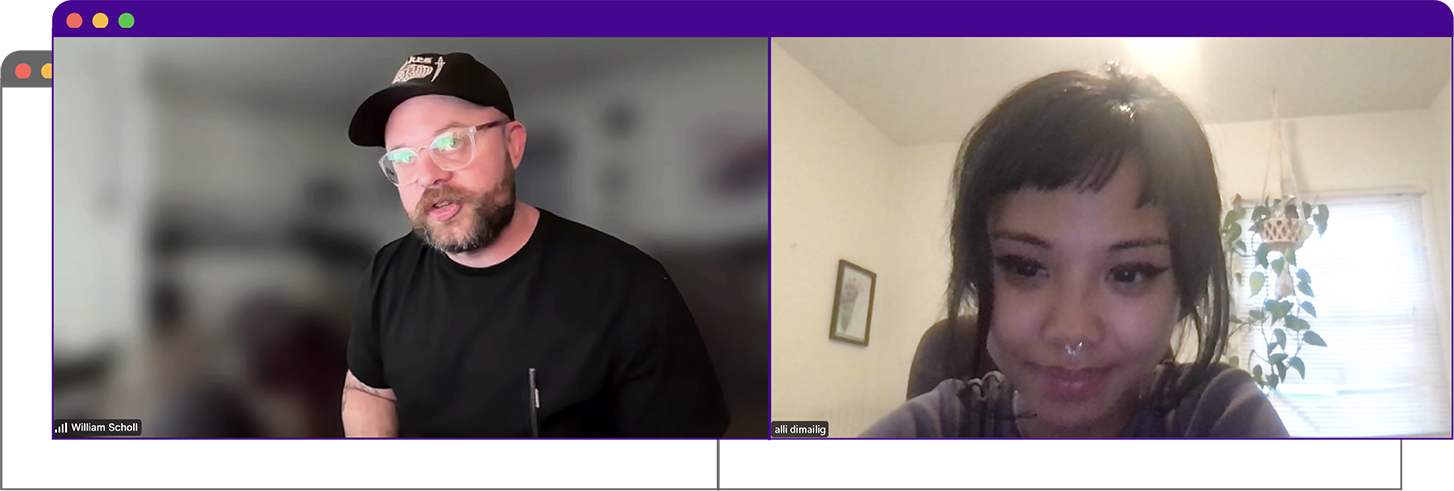
I spoke with five participants who regularly attend events to learn how they approach meeting new people in those settings. Conversations revealed what motivates them to connect, where they currently feel frustrated, and what expectations they bring into connections at live events. These takeaways became the foundation for shaping the user journey and prioritizing features that would make the app feel natural, safe, and worthwhile.

Research Questions:

  1. When you think about making connections at events, what kind of connections are you hoping for (friendship, romance, networking)?
  2. If so, what did you like/dislike about it?
  3. Do you use any apps (dating, social, event-focused) to meet people at or before events? What works or doesn’t work about them?
  4. Imagine an app that connects you with others going to the same event. How would you want it to work?
  5. How would you want the app to enhance your overall event experience?
  6. What would make you choose this app over a regular dating/social app?
  7. Any dealbreakers that would make you stop using an app like this?
user interview screenshot
clinq affinity mapping

Affinity Mapping

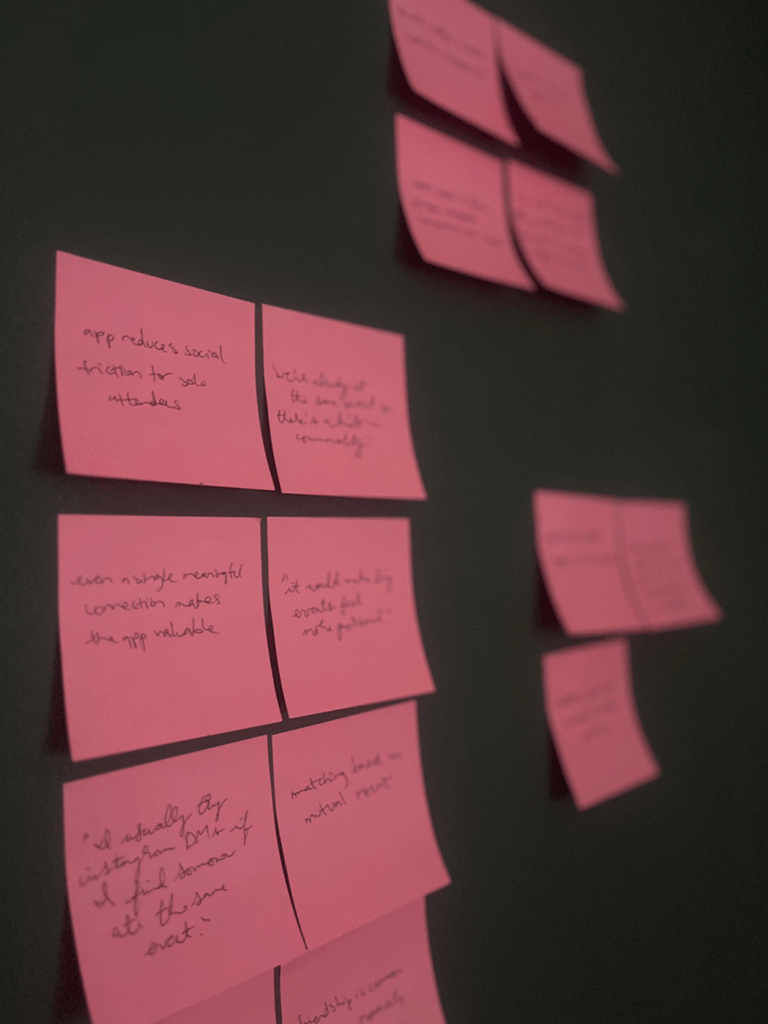
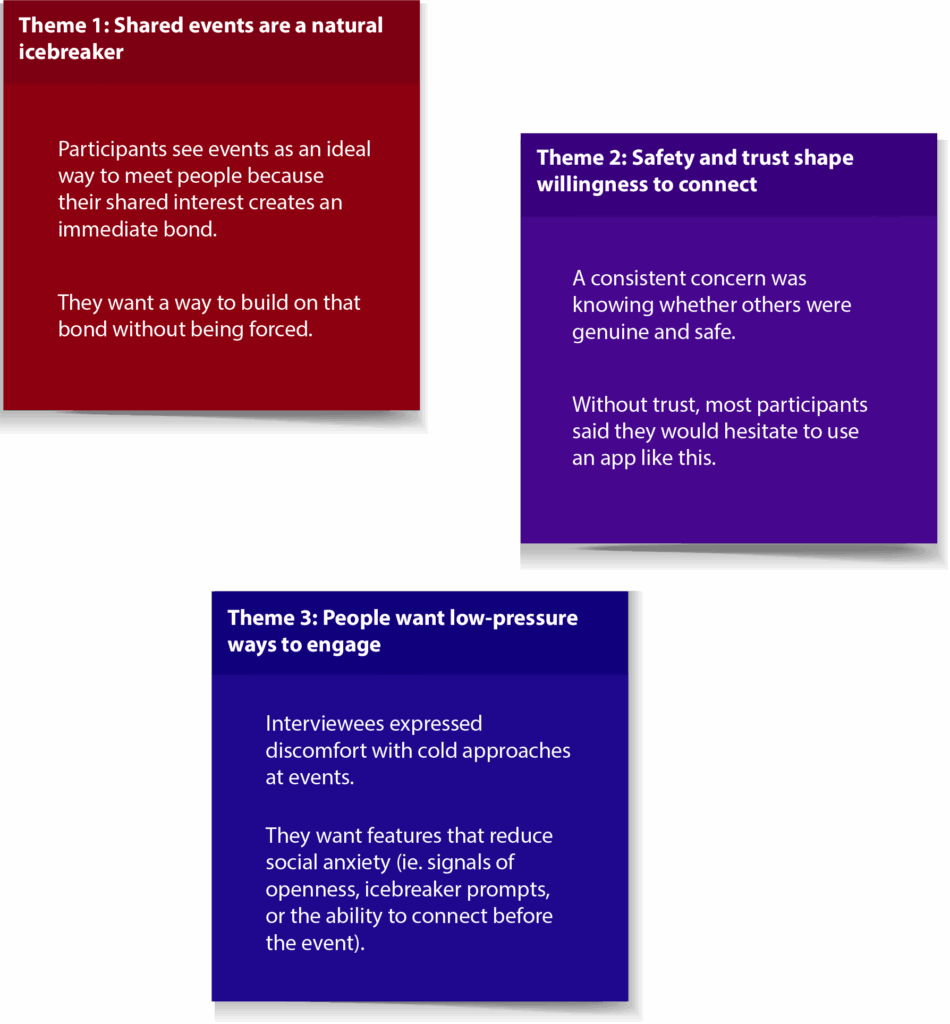
Watching back the interview recordings, I pulled out key moments that revealed how people actually think about meeting others at events. As I grouped those insights together, clear patterns emerged: participants were drawn to the idea of connecting through the shared context of an event, but hesitated because of safety concerns and the awkwardness of approaching strangers.

“If we’re both at the same show, that already tells me we have something in common.”

“If the app verified you’re actually at the event, I’d trust it way more.”

What stood out most was their desire for a low-pressure way to signal openness to connection and a stronger sense of trust that the people they matched with were genuinely there.

Key Insight

Design for natural, safe, and low-pressure connections.


Our app should create pathways for people to connect around shared interests while reducing social friction.

This means features that build trust (clear profiles, safety signals), encourage genuine interaction (icebreaker prompts, pre-event engagement), and give users control over how and when they connect.

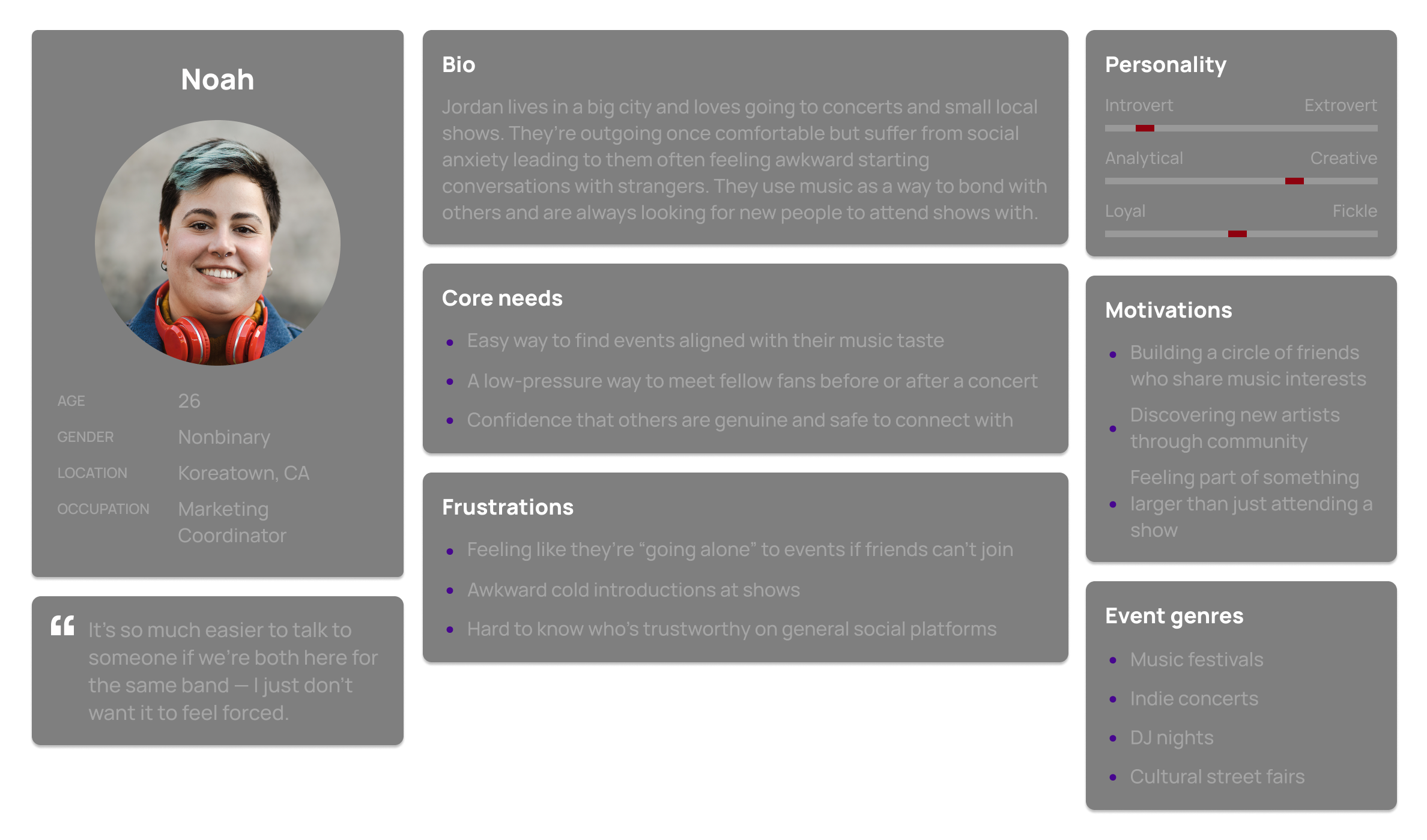
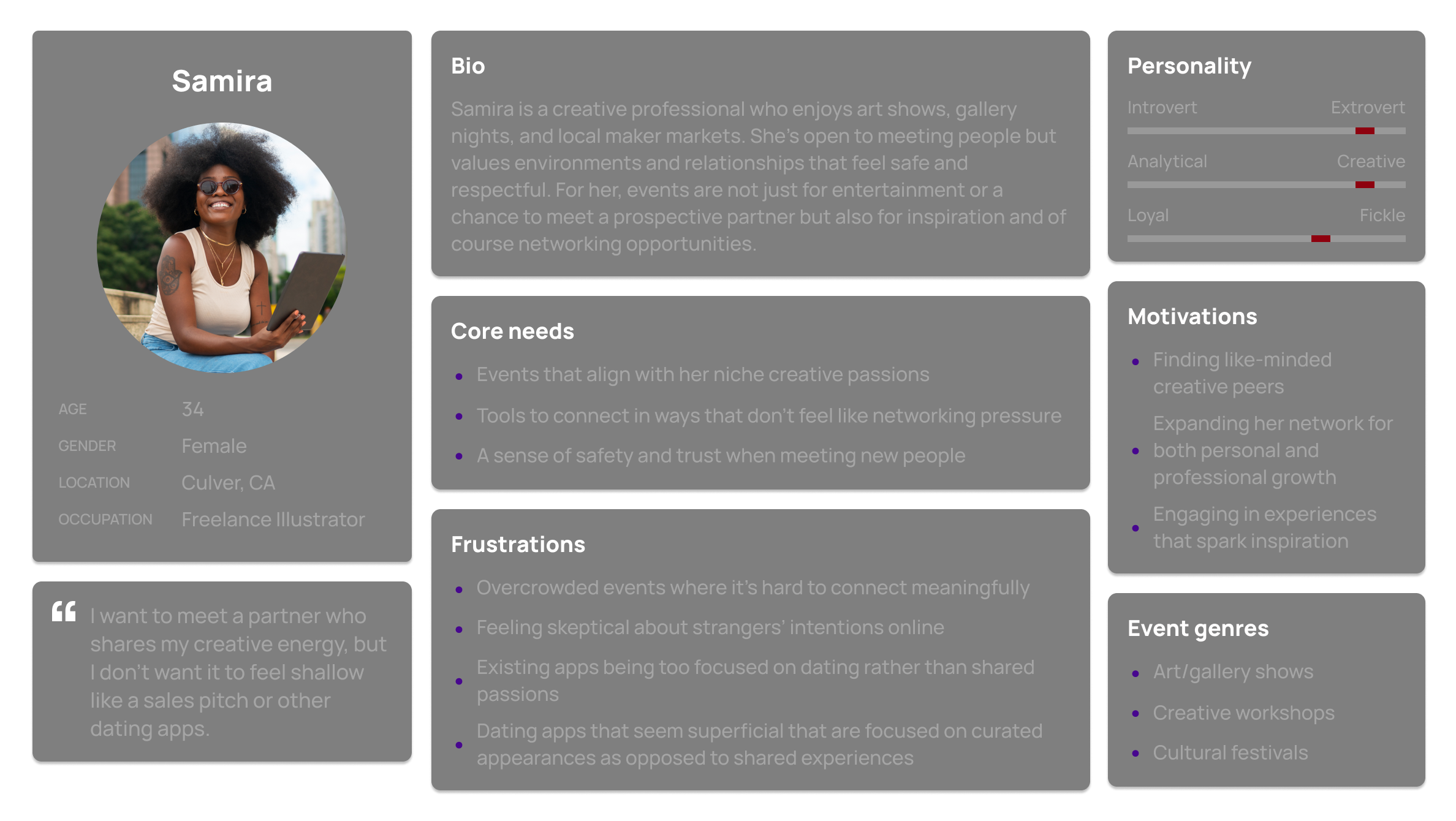
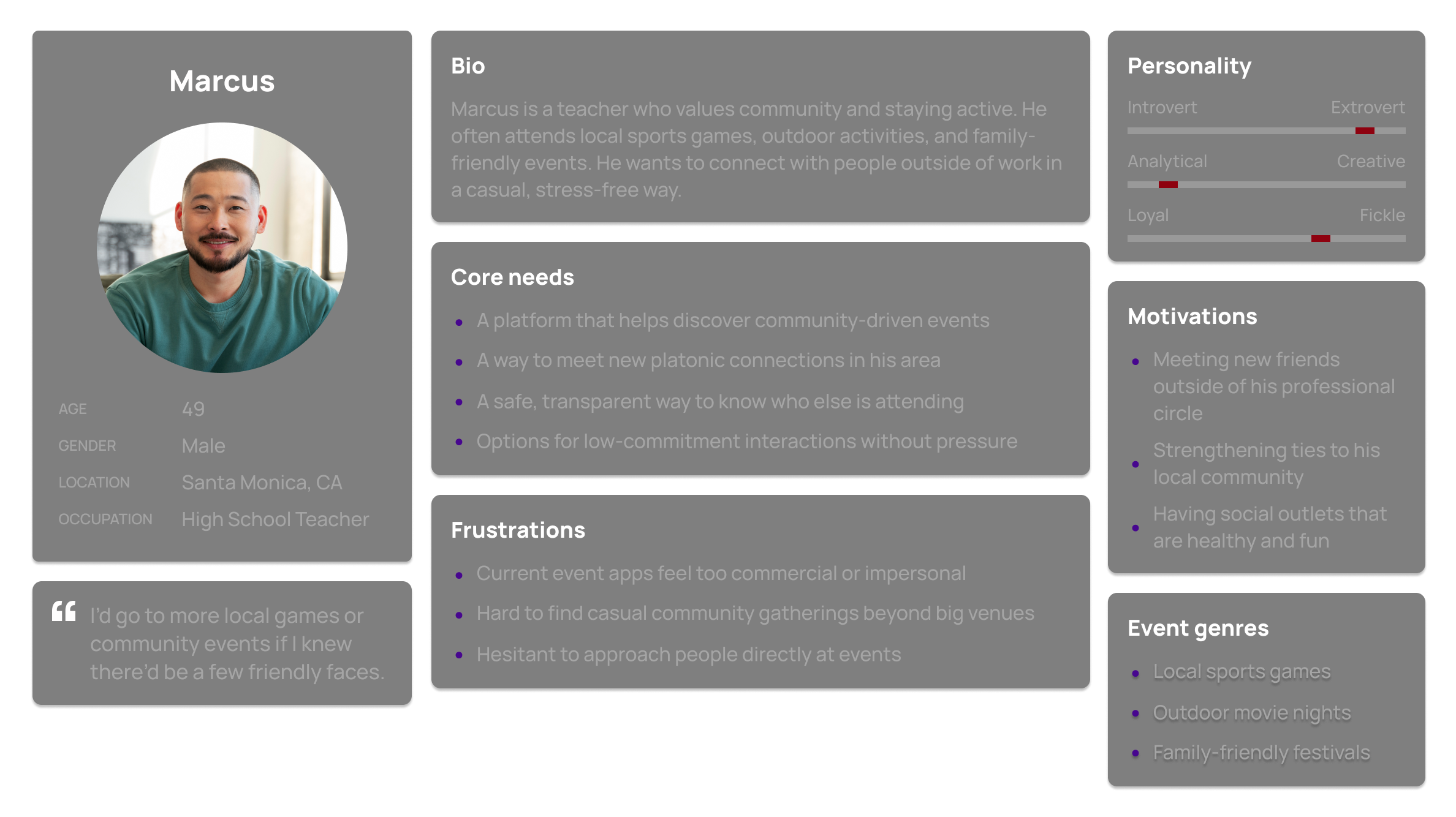
User Personas

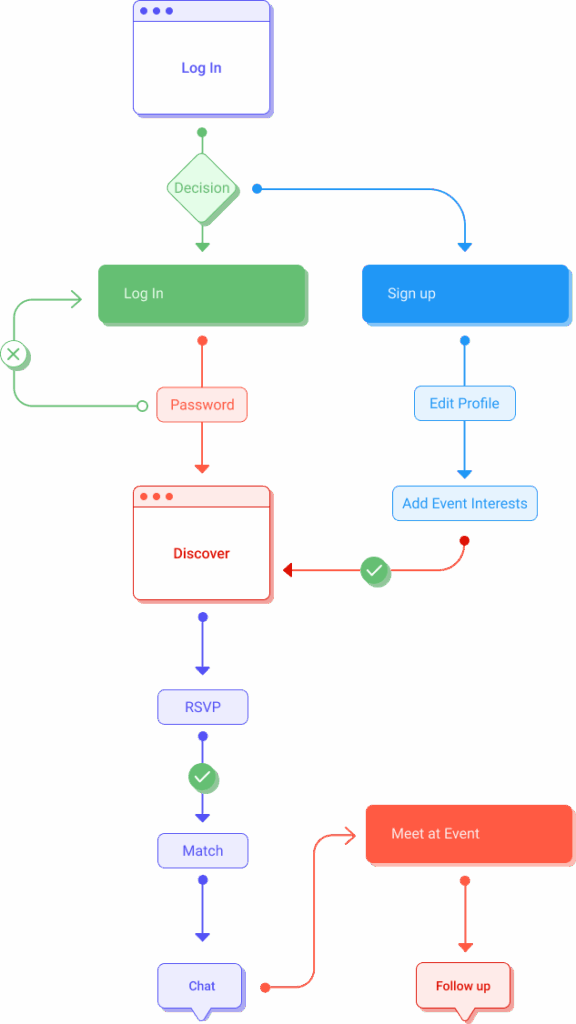
User Flow

This user flow shows how the app combines event discovery with social connection. The experience starts with a quick onboarding, where users set up their profile and choose interests. From there, they can browse upcoming events, RSVP, and see who else is attending. Matching and chat features are built into the event process, so conversations feel natural and tied to a shared activity. After events, users are prompted to give feedback and continue connections. The flow is designed to lower social barriers, encourage safe interactions, and support different goals—whether users are looking for friendship, dating, or networking.

Improvements and Solutions

  1. An issue that was brought up was users had difficulty filtering or searching for certain events. While there are already personalized recommendations, I recommend adding more rigorous search filters such as date, location, time, and price.
  2. Another observation was the lack of in/post-event engagement. In order to entice engagement, this would be a great opportunity to focus on creating personalized event verifications that users can share with one another. Since these verifications would only be redeemed at an event, the limited access will encourage engagement behaviors.
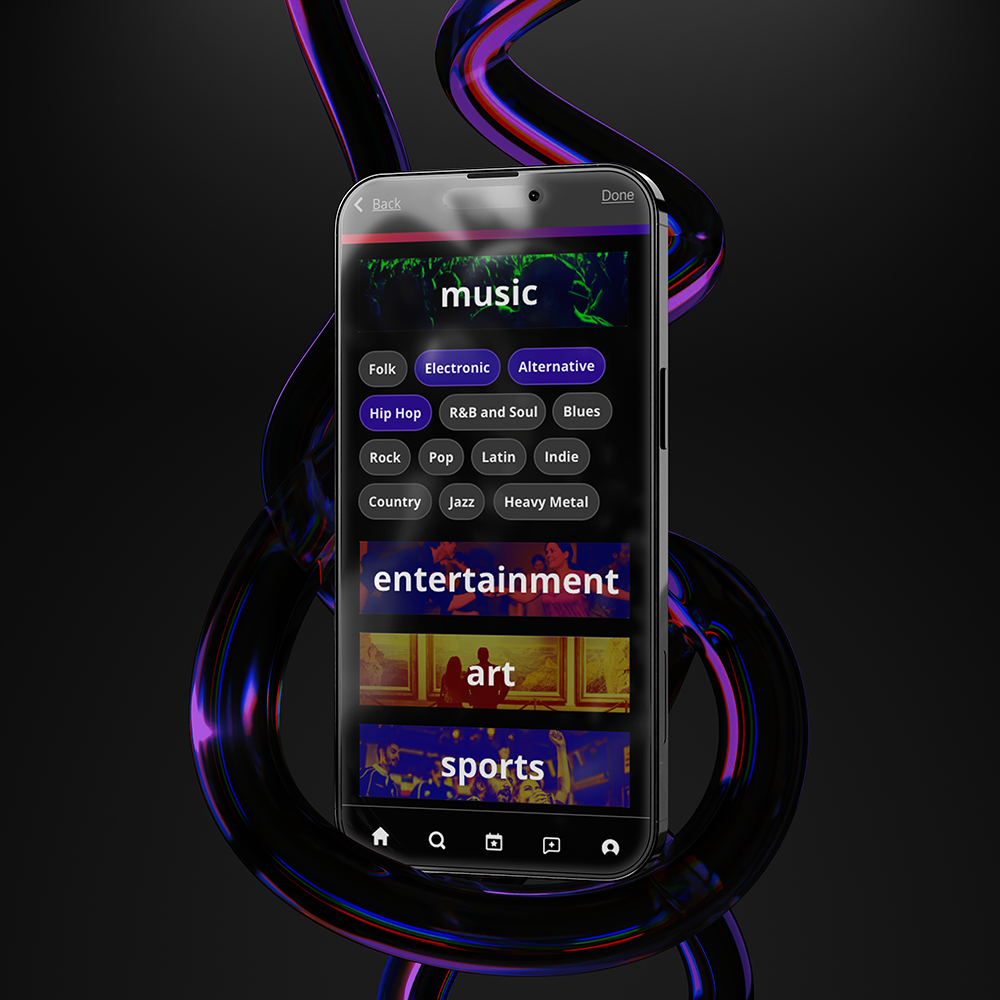
clinq category selection mockup

The Final Ship

This project began with a simple challenge: make meeting others at events less overwhelming and more enjoyable. Through user interviews and journey mapping, I uncovered common pain points: confusing interfaces, complex onboarding, and lack of safety.

I translated these insights into wireframes and prototypes, focusing on a streamlined flow for discovering events and interacting with others. Features were designed to reduce friction and help users feel in control.

The final prototype reflects this empathy-driven, user-centered approach, combining clean UI, intuitive interactions, and accessible design. It demonstrates not my process in moving from research and ideation to prototyping and refinement and also my ability to ship a solution that feels both practical and enjoyable.

Scroll to Top